An assembly line stop is measured in minutes, and every minute has a price.
When the stoppage traces back to one supplier’s damaged shipment, that supplier has a very bad week. The part gets replaced quickly. The relationship takes longer.
Most component suppliers I speak to only start looking at returnable packaging for automotive components after that phone call. Here’s the case for looking before it.
A damaged part costs more than the part
OEM receiving doesn’t negotiate. A scratched housing, a dinged machined face, a bent bracket. Rejected is rejected.
The replacement cost is the small number. The bigger ones are the chargeback if the line was waiting on those parts, the hit to your supplier scorecard, and the conversation your sales director now has to have.
Scorecards decide who gets the next contract. Packaging decides a surprising amount of what lands on them.
Run the maths on one-way crates
A one-way crate gets bought, packed, shipped and binned. Every trip.
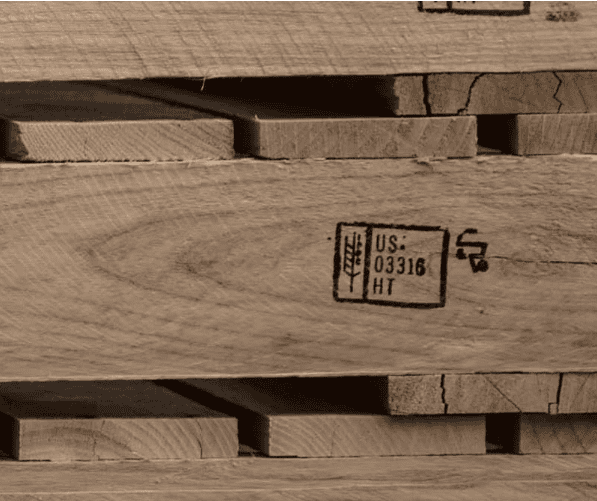
If it’s solid wood and the route crosses a border, add heat treatment for ISPM 15 before it can ship. Add the disposal problem at the other end, because your client now has a skip full of your packaging and a sustainability target it counts against.
Multiply by your weekly volumes. That number never stops growing.
A returnable crate runs the same route dozens of times. The purchase price divides across every trip, so the cost per trip falls with each cycle. It beats the one-way price within a handful of trips, and every run after that is money back. Whether the lane is Rosslyn to East London or Gqeberha to Germany, the crate does the trip and comes home.
Returnable packaging for automotive components, done properly
The crate gets built around the part, not the other way round.
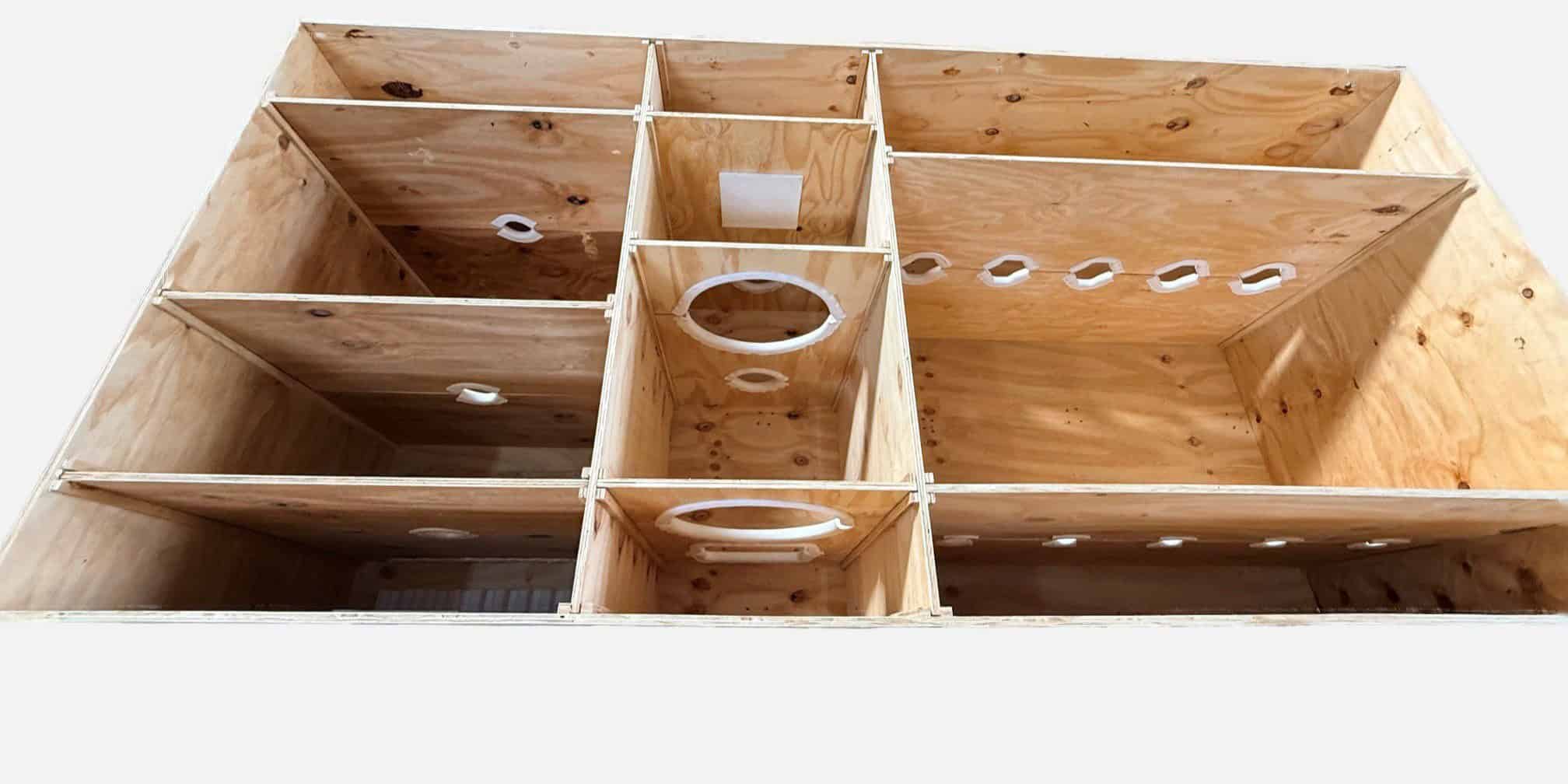
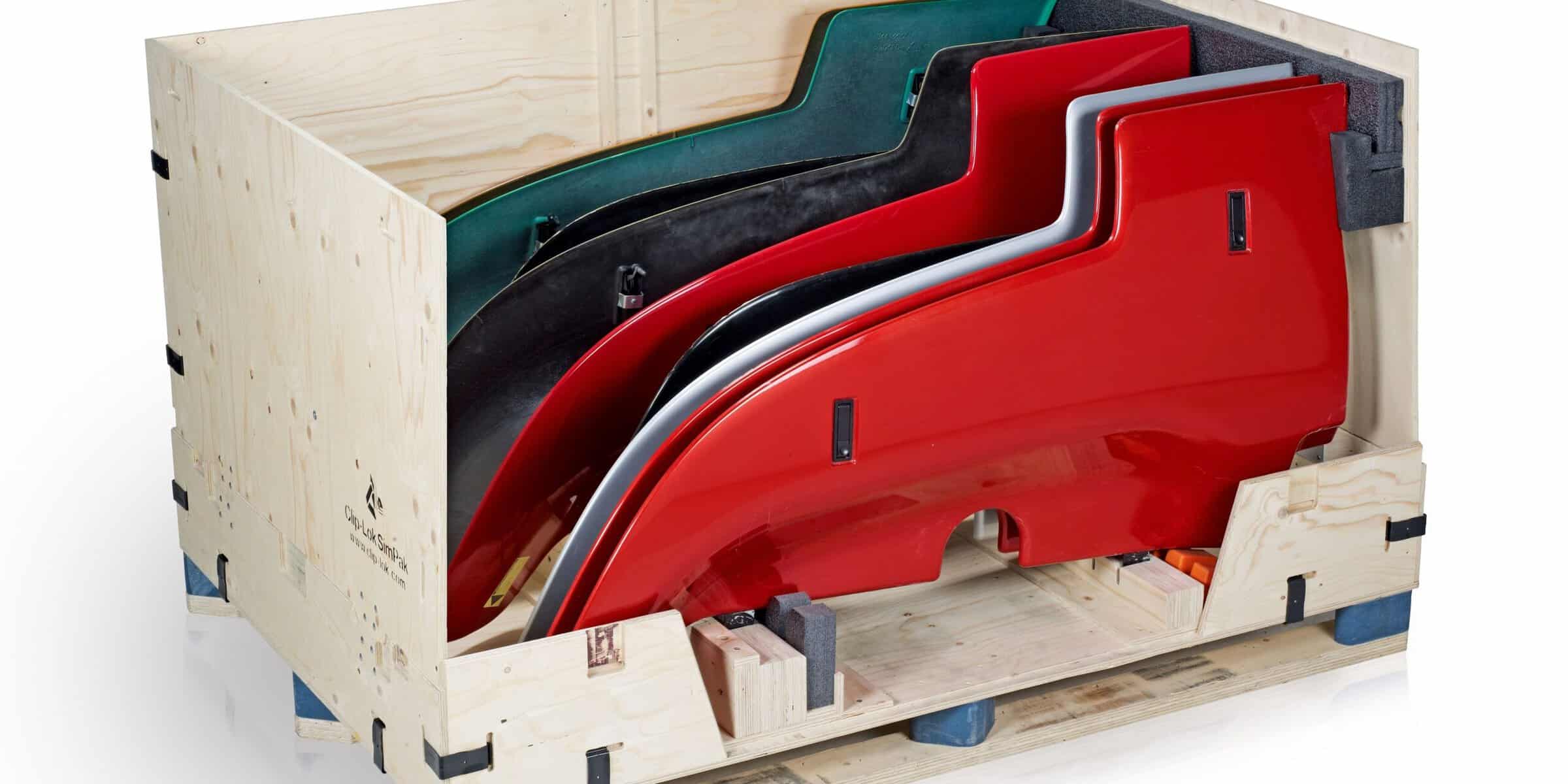
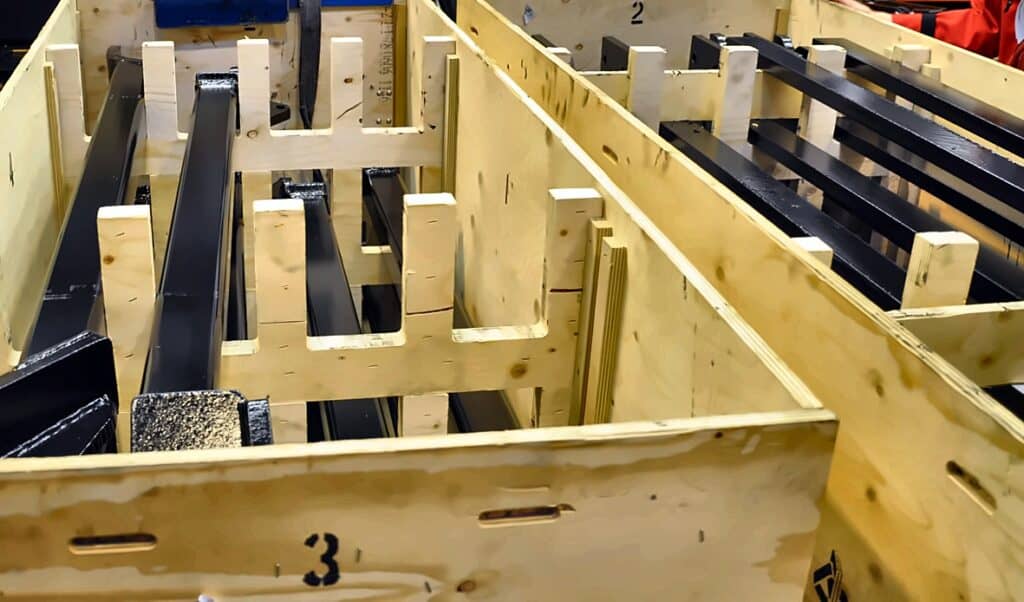
Custom foam dunnage cradles machined faces, painted surfaces and threaded bosses so nothing rubs in transit. Internal divisions let one crate carry a full set of components instead of one unit rattling around a big box.
Assembly is spring steel clips. No nails, no screws, no tools at goods-in. Your client’s receiving team opens it by hand in minutes and folds it flat the same way.
That fold matters more than people expect. Collapsed crates from several deliveries travel back in the space one assembled crate took up, which is what keeps the return leg cheap. The same applies in the warehouse between cycles.

They stack safely when assembled too, loaded or empty, so they behave in the truck and the store. And branded panels in your colours are an option, if you want your name arriving looking sharp at the OEM’s door.
Exporting components? Read this bit
Plenty of SA-made components head to Europe and the rest of Africa. Clip-Lok crates are plywood, which makes them fully ISPM 15 exempt. No fumigation, no heat treatment stamp, no export hold-ups while someone hunts for a certificate.
The exemption sits in the material itself, so it never needs renewing. The same crate exports for years.
Send me your numbers
If your components move in one-way packaging, send me the part dimensions, your monthly volumes and the routes they travel. I’ll run the per-trip figures so you can see exactly what returnable packaging for automotive components would save on your lanes.
Call me on 072 733 0933 or email jcook@clip-lok.co.za.