The Five-Minute Version for South African Exporters
Sometime in the late 1990s, a beetle from Asia ate enough trees in North America that sixty governments got together and wrote a rule about wooden boxes.
That rule is called ISPM 15. And if you export anything from South Africa, it almost certainly affects you.
Here’s the five-minute version, because you’ve got coffee to drink and a weekend to start planning.
The bug that broke global shipping
The Asian Longhorned Beetle hitched rides in wooden packaging from Asia to the US and Europe. Once it arrived, it started eating hardwoods. Maples, elms, birches, the lot. Billions of dollars in forestry damage. Entire neighbourhoods losing their trees.
Then came the Emerald Ash Borer. Same story, different bug.
By 2002, the UN’s Food and Agriculture Organisation had seen enough. They published the International Standard for Phytosanitary Measures number 15. Catchy name, I know. Everyone calls it ISPM 15.
The rule is simple. Any solid timber packaging crossing an international border has to be either heat treated or fumigated, then stamped with a specific mark proving it’s been done.
What the ISPM 15 stamp actually means
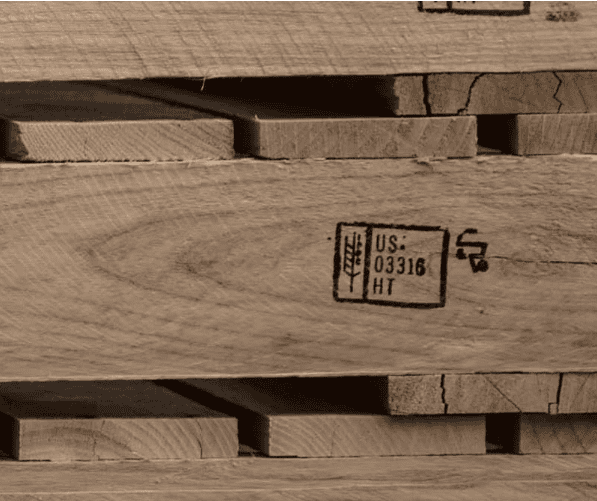
Look at any wooden pallet in a warehouse and you’ll probably spot the IPPC mark. It’s a logo with a country code, a producer code, and a treatment code. HT means heat treated. MB means methyl bromide fumigation.
No stamp, no entry.
I’ve seen shipments stopped at customs because the timber crate didn’t carry the right mark. I’ve seen pallets destroyed at the port. I’ve taken phone calls at 4pm on a Friday from clients whose product was stuck at a freight depot because someone, somewhere, missed a treatment certificate.
It’s an expensive mistake to make. And it’s an entirely avoidable one. For South African exporters in particular, the risk sits at every port from Durban to Cape Town to Coega.
Why our crates skip the whole thing
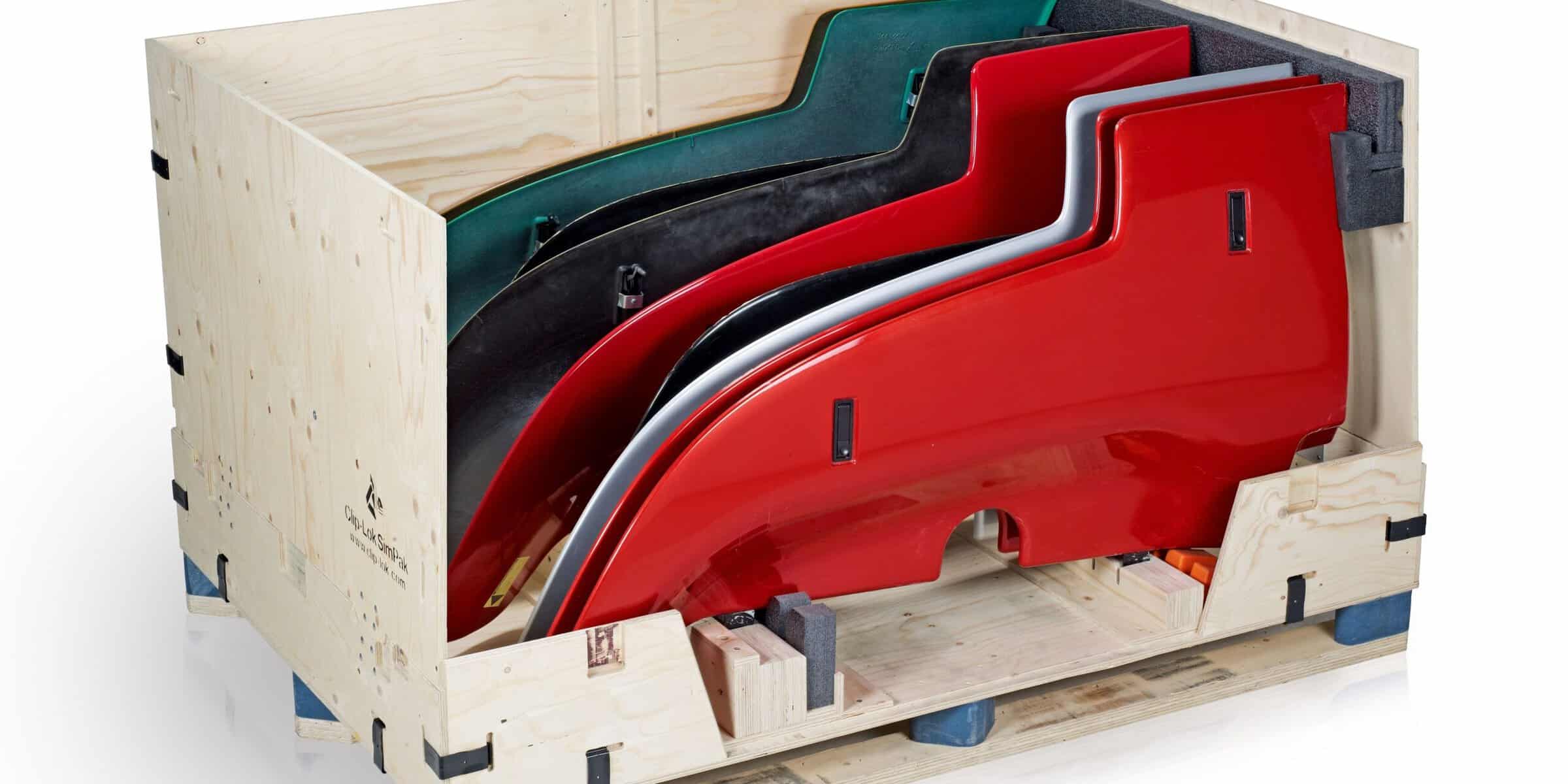
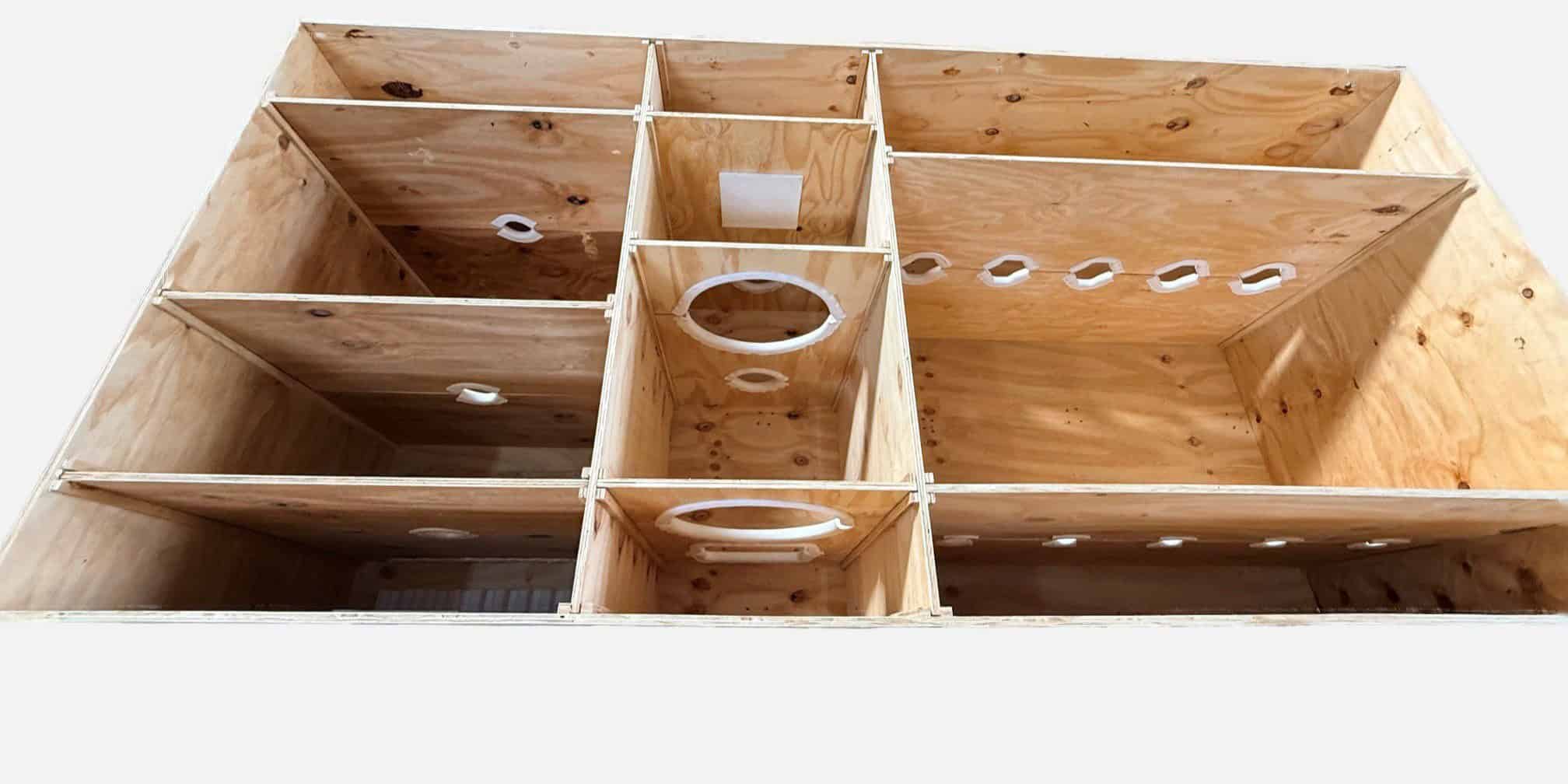
Clip-Lok crates are manufactured from plywood. Plywood is processed wood, not raw timber. The manufacturing process involves heat, pressure, and adhesives that kill anything that might have survived in the original log.
Under the ISPM 15 regulation, processed wood products are exempt. Plywood, OSB, particle board, and veneer all fall outside the rule. The pests it’s designed to stop simply can’t survive the manufacturing.
That means no fumigation. No heat treatment certificate. No special stamp. No surprises at customs.
Ship an ISPM 15 Exempt Clip-Lok crate anywhere in the world and the ISPM 15 question is already answered before you load the truck.
The bit that makes this genuinely useful
If you’re shipping internationally with solid timber crates, you’re paying for fumigation or heat treatment every single time. That cost adds up across shipments. So does the time spent coordinating it. So does the risk of someone in the chain dropping the paperwork ball.
Clip-Lok crates are also reusable and collapsible. So you’re not just exempt from ISPM 15. You’re using the same crate again next month, folded flat in your warehouse in the meantime.
One client of ours used to spend lots of time and money every year on fumigation alone across their export shipments. That number is now zero.
One question before you go
If you’re not sure whether your current packaging is ISPM 15 compliant, or whether you’re paying for treatment you could avoid entirely, send me a message. I’d rather answer that question over a five minute phone call than watch you find out the hard way at the freight depot.
Call me on 072 733 0933 or email jcook@clip-lok.co.za.
Frequently asked questions
Is plywood ISPM 15 exempt? Yes. Plywood is classed as a processed wood product, not raw timber. The manufacturing process — heat, pressure, and adhesives — eliminates any pests the regulation is designed to control. Plywood crates, including all Clip-Lok crates, do not need ISPM 15 treatment or marking.
Do Clip-Lok crates need a heat treatment stamp? No. Because Clip-Lok crates are built from plywood, they sit outside the scope of ISPM 15 entirely. There is no HT mark, no MB mark, and no certificate required. They can ship to any country that enforces the regulation without delay.
What happens if my packaging isn’t ISPM 15 compliant at customs? Best case, the shipment is held until you arrange treatment locally, which is slow and expensive. Worst case, the consignment is destroyed or returned at your cost. Either way, your delivery date is gone and your client is unhappy.