
Custom Engineered Transit Crates Built for High Value Equipment
When equipment arrives damaged, you don’t just lose the crate. You lose the project timeline, the client relationship, and the product needs to be replaced. Clip-Lok engineers custom-built transit crates for South African businesses shipping equipment that can’t afford to fail in transit.
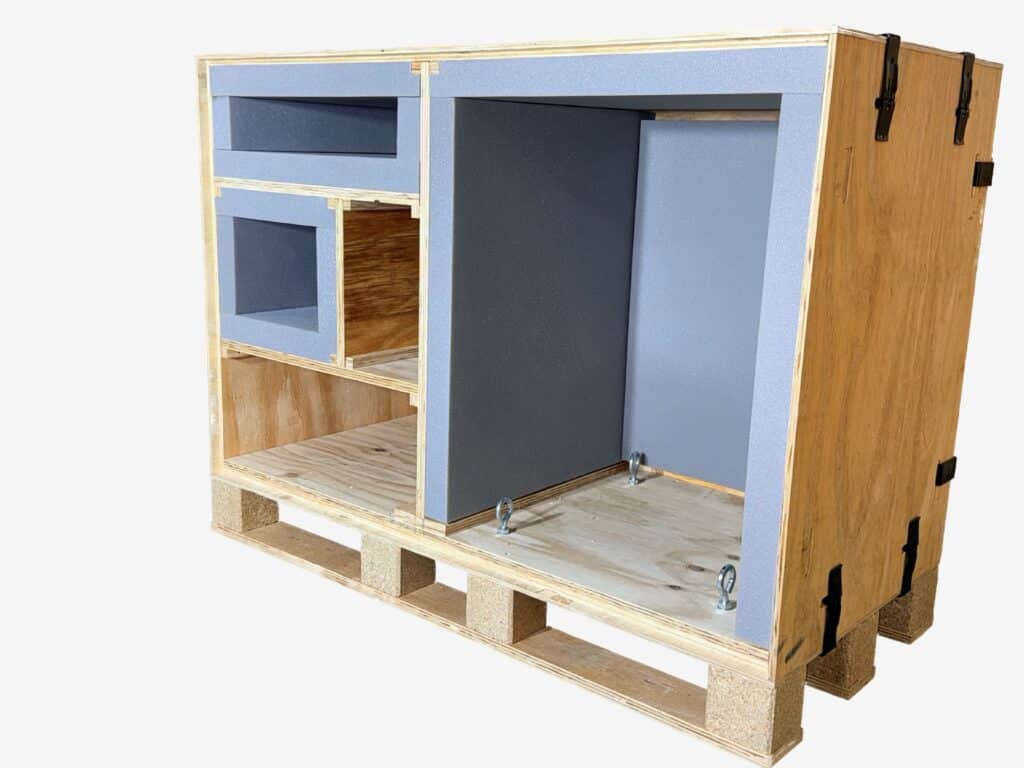
Most transit damage starts before the truck moves
The damage usually isn’t the freight company’s fault. It’s the packaging.
Disposable wooden crates flex under load. Honeycomb board absorbs moisture and warps the moment it sees a humid container. Generic pallets usually aren’t designed for the weight they’re carrying. They fail.
You don’t find out until somebody opens it.
That’s the real cost of getting packaging wrong: damaged equipment, awkward conversations, insurance claims that don’t quite cover what you lost, and a client who’s now questioning your reliability.
The real cost of getting packaging wrong
A single damaged unit usually costs more than a year of properly engineered packaging. Replacement product, freight back and forth, insurance excess, lost project days, and a client who’s now wondering whether to use you again. That’s the actual bill.
Custom engineered packaging changes the maths on every shipment. Tighter fit means less freight volume wasted. Engineered bracing means damage claims drop. Proper export compliance means no customs delays burning your timeline.
For clients shipping the same equipment repeatedly, the crate comes back, stores flat, and goes out again, bringing the cost per trip down with every cycle. For single shipment work, the maths still wins on damage prevention and freight efficiency alone.
Either way, you’re not paying for a box. You’re paying for the shipment arriving in one piece.
Who Clip-Lok is built for
We supply businesses that ship high value, weight sensitive, or precision engineered equipment, locally and into export markets.
If your product is expensive enough to insure individually, fragile enough to need internal bracing, or heavy enough to break a standard pallet, you’re who we build for. If transit damage on a single unit would write off the margin on the deal, you’re definitely who we build for. We build for sectors where a failed shipment carries a real cost: defence, aerospace and renewable energy among them.
From measurement to delivery
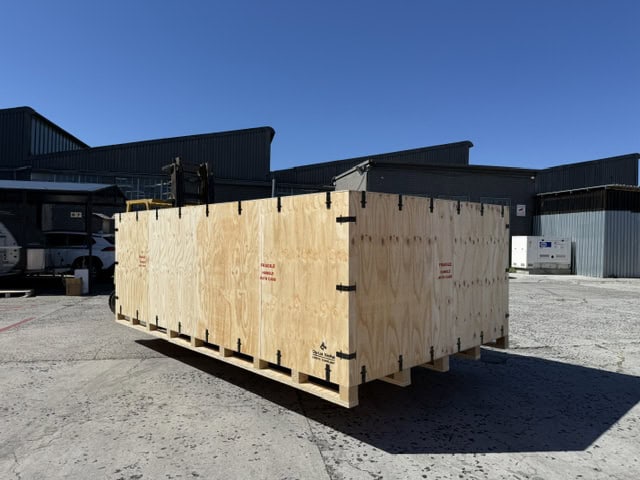
See examples of finished crates in our product gallery.
1. Brief
You tell us what you ship, where it's going, and how it's handled along the way.
2. Engineer
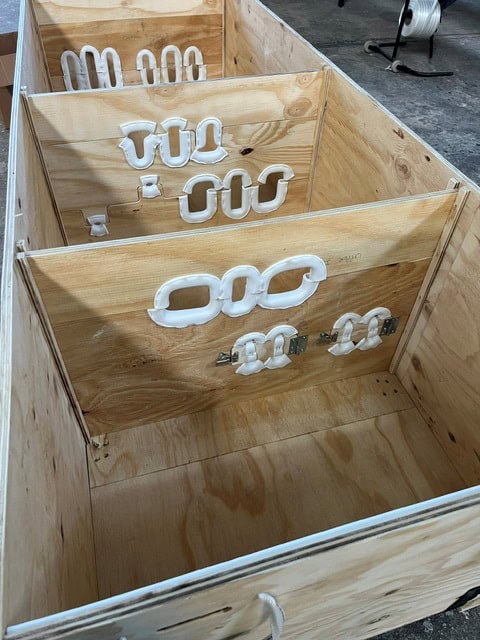
We design the transit system around your equipment. Crate, internal dunnage, pallet base, the lot.
3. Manufacture
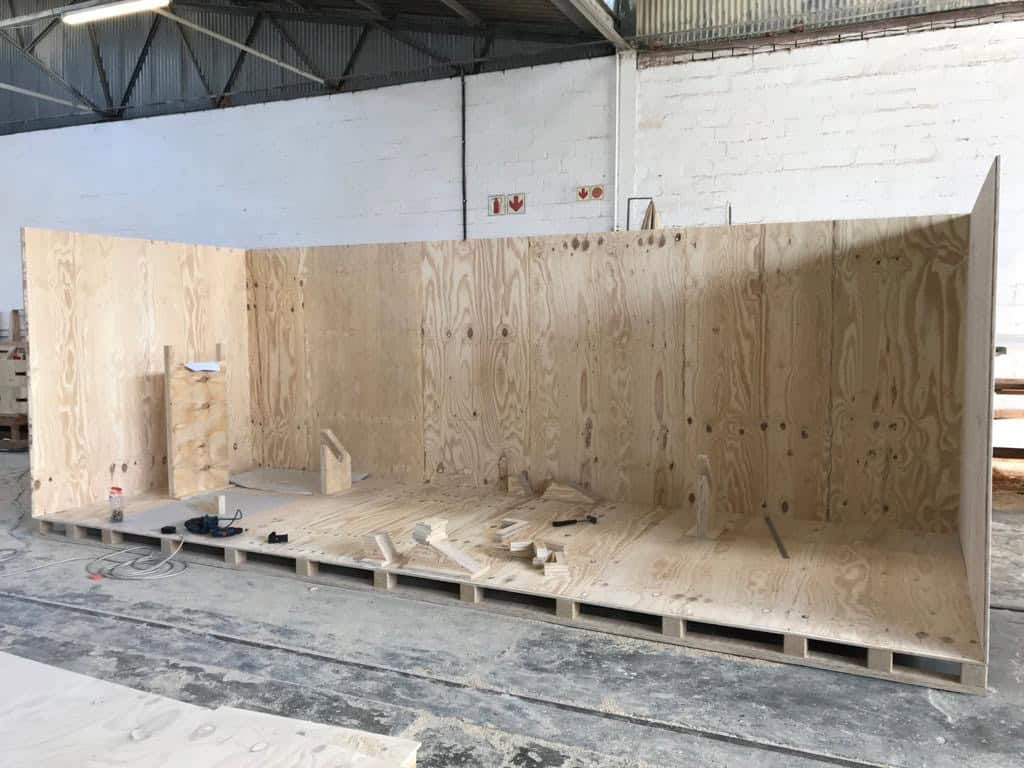
We build it in Cape Town and deliver to your facility ready to load.
4. Ship
You ship with confidence. We stay available if anything needs adjusting on the next batch.
Why clients specify Clip-Lok
What buyers check before they commit. We clear all four.
NATO Accredited
Approved NATO supplier. The same spec defence and aerospace logistics rely on.
23-Ton Certified
Independently tested for stacking loads up to 23 tons.
ISPM 15 Exempt
No fumigation, no heat treatment, no customs delays. Export-ready from day one.
Built to Last
Rated for 50-plus return trips. Built for repeated use, not one journey.
Common questions
How long does a custom crate take to make?
We build most custom crates in 5 to 7 working days. Larger or urgent orders may differ, and we confirm your exact lead time with your quote.
Is there a minimum order?
No minimum order. Order a single crate or a full run, both are built to your spec. A single crate is a low-risk way to check the fit before a larger order.
Do you deliver outside Cape Town?
Yes, we deliver nationally across South Africa. We arrange the freight and include it in your crate price, so you get one quote with delivery built in and nothing extra to organise.
What happens if a crate panel gets damaged?
Our crates are designed to be reused, so a damaged panel does not mean a new crate. If one panel is damaged in service, we supply a replacement panel to order and the crate keeps working.
Get a quote on a transit system built for your equipment
Tell us what you’re shipping and where it’s going. We’ll engineer the rest.