In most industries, packaging is an afterthought. Months of engineering. Exact tolerances. Rigorous testing. Then the product gets handed to a freight chain in a box not specifically designed for the journey.
It’s the last decision made. It’s often the most expensive one to get wrong.
The crate is part of the system
In defence and aerospace, everything gets engineered to a spec. The components. The assembly. The testing. The installation.
Then it gets put in a box that wasn’t part of the spec.
That disconnect happens more often than it should. And it usually happens because packaging gets treated as an afterthought. Something to sort out once the real work is done.
The problem is that the crate isn’t separate from the equipment. It’s the last line of defence between a precision-built unit and a handling chain that doesn’t care how long it took to manufacture.
What actually happens between dispatch and delivery
People picture freight as a smooth operation. It isn’t.
A shipment moving from South Africa to a client overseas will typically pass through multiple hands before it arrives. Freight depot. Airline cargo handler. Customs clearance. Connecting freight. Final mile delivery. Each of those points involves people who are moving dozens of consignments, under time pressure, with no knowledge of what’s inside yours.
The crate takes whatever they give it.
If it shifts, the equipment shifts. If it absorbs a knock poorly, the equipment absorbs it. If the base compresses under stacking loads, the foam insert that was holding your component in position stops doing its job.
A crate built for the journey absorbs all of that without passing it on.
ISPM 15 and why it catches exporters off guard
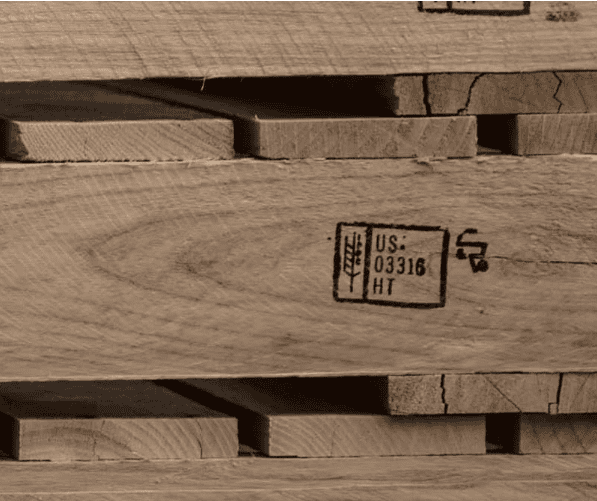
Wooden packaging crossing international borders must comply with ISPM 15. It’s a phytosanitary standard that controls timber movement to stop pests spreading between countries.
Standard wooden crates need fumigation or heat treatment before each export. That means scheduling the treatment, waiting for clearance, and hoping nothing slips through the cracks at the freight depot. I’ve spoken to clients who’ve missed shipment windows because of exactly this.
Clip-Lok crates are manufactured from plywood and are fully ISPM 15 exempt. No fumigation. No treatment certificates. No last-minute calls from the freight agent on a Thursday afternoon.
The first impression you don’t control
When the crate arrives at the end-user site, someone opens it.
In defence and aerospace, that someone might be a procurement officer, a base commander’s logistics team, or a technician who’s worked with high-value equipment for twenty years. They know what they’re looking at.
A clean, solid, purpose-built crate with your company name on the side says something. It says the supplier took the whole job seriously, not just the bit they got paid to design.
A battered generic box says the opposite.
What the build actually looks like
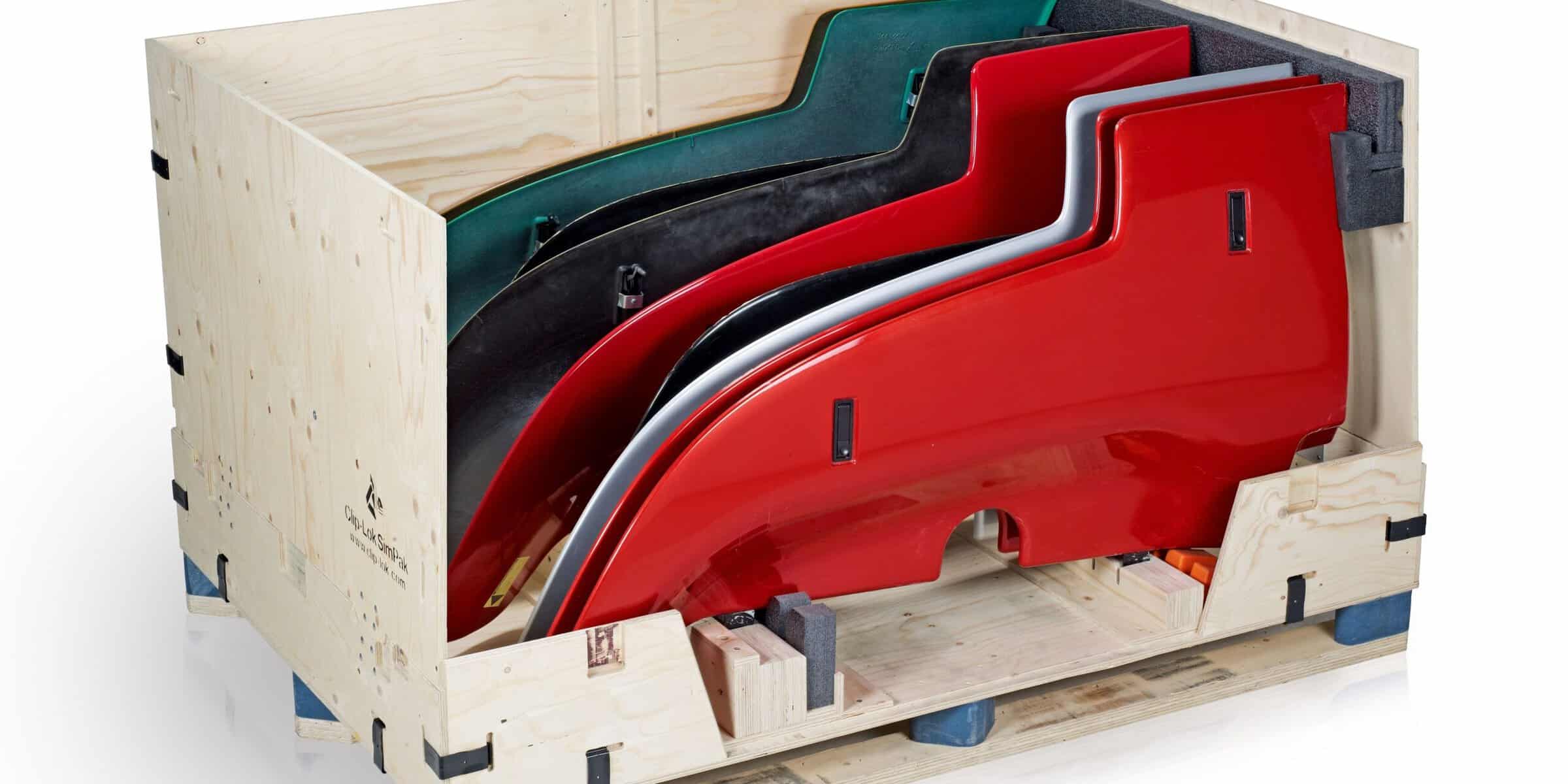
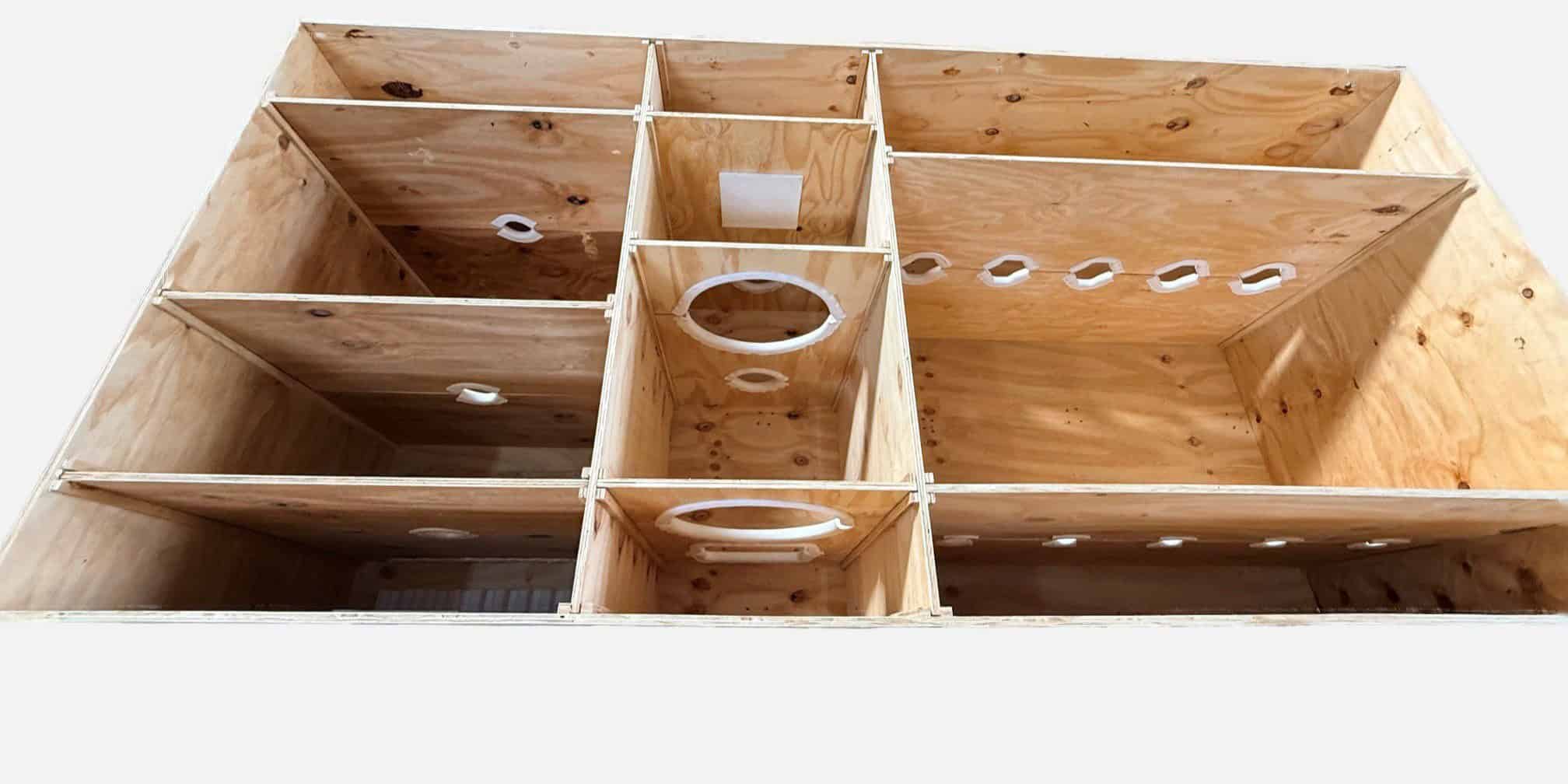
Every Clip-Lok crate starts with the product dimensions and how the unit gets handled in the field. Not just how it ships, but how it gets unpacked, stored, repacked, and potentially shipped again.
That typically means a crate sized exactly to the unit, with custom foam inserts shaped to the components. Collapsible when empty, so it stores flat on site or ships back collapsed.
The crate design follows the actual use case, not a generic template.
The maths is straightforward
A damaged component in the defence or aerospace sector doesn’t just mean a replacement cost. It means downtime, a supply chain delay, and a conversation you didn’t want to have with the client.
A well-engineered crate costs a fraction of that. Usually, a fraction of the insurance excess, too.
If you’re shipping high-value electronics or precision equipment and you’re not confident the packaging was designed for the journey, give me a call. I’d rather help you get it right before something goes wrong.
Call me on 072 733 0933 or email jcook@clip-lok.co.za.