I’ve had the same conversation more times than I care to count.
A company ships something valuable by air — in whatever packaging they had available. It arrives damaged. They call me afterwards. And the first thing I think is: this didn’t have to happen.
Here’s what usually went wrong.
The box wasn’t built for that journey
Airfreight is rough on equipment. Pressure changes. Stacking loads. Rough handling across airports, freight depots, loading bays, and delivery vans before it reaches your client.
A cardboard box with bubble wrap isn’t packaging. It’s hope.
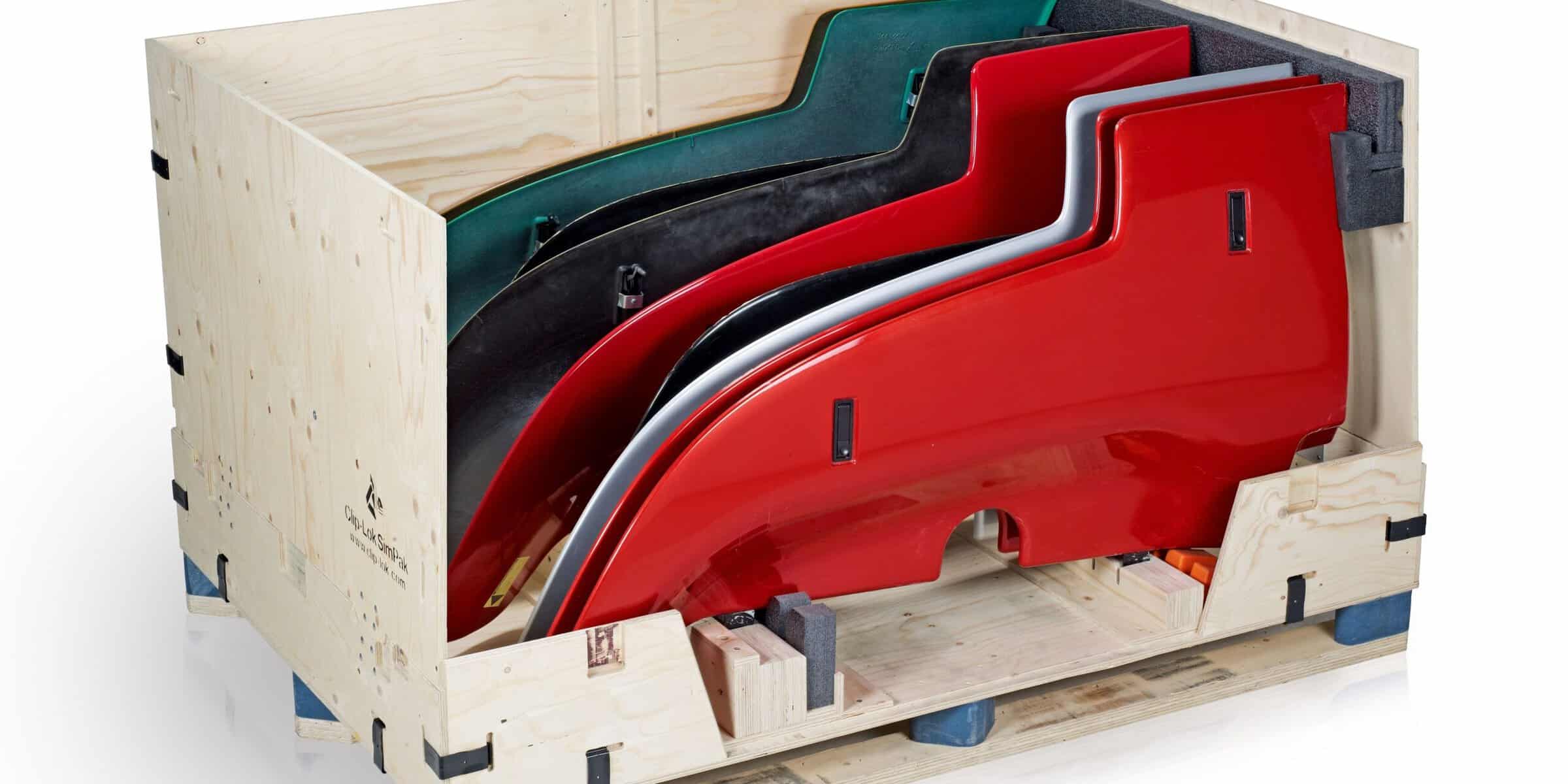
If your product can shift inside the container, it will. And if it shifts, it breaks. The fix isn’t complicated. It just requires a crate built around your actual product, not whatever was available off the shelf.
ISPM 15: the compliance detail most exporters miss
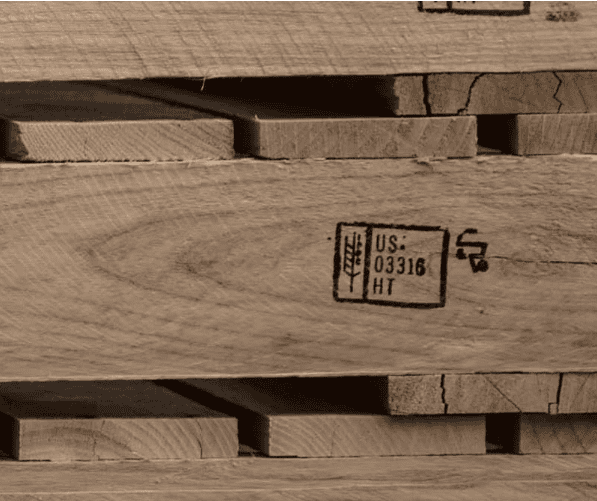
If you shipping internationally with wooden packaging, ISPM 15 applies to you. It’s a global phytosanitary standard that controls timber packaging to stop pests crossing borders.
Standard wooden crates need fumigation or heat treatment before every export shipment. That costs money, takes time, and must happen again each time you ship.
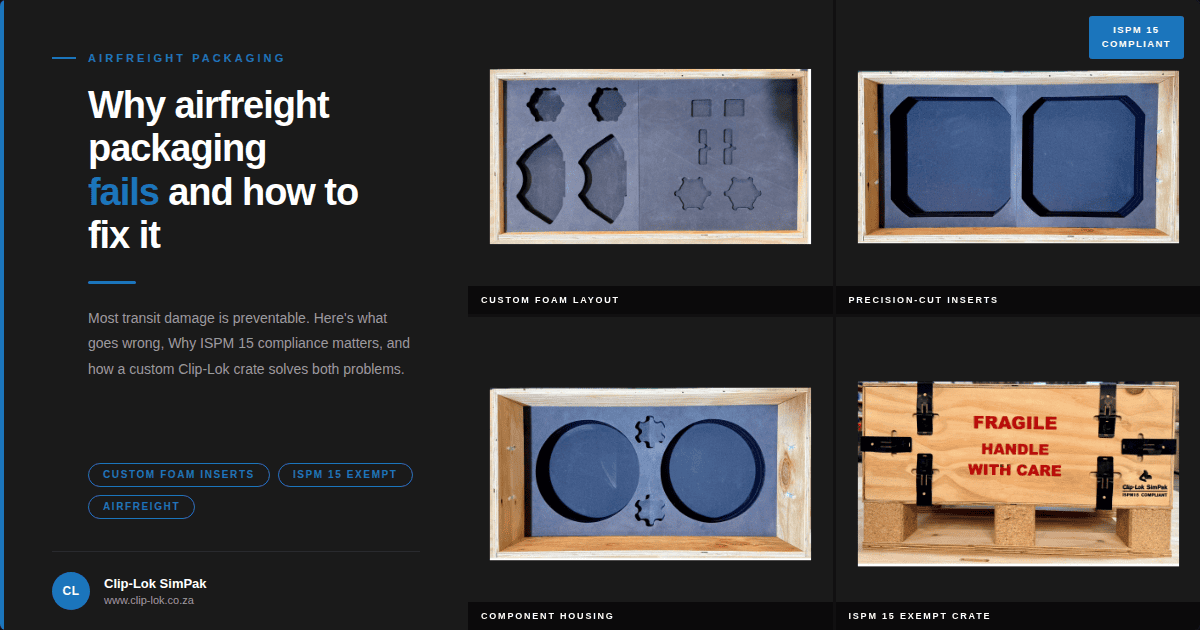
Clip-Lok crates are manufactured from plywood and are fully ISPM 15 exempt. No fumigation. No delays. No last-minute phone calls from the freight depot at 4pm on a Friday. (This happens more than you think)
Ship them anywhere in the world. Use them again and again. The exemption doesn’t expire.
What the crate tells your client before anyone says a word
The crate is the first thing your client sees when the delivery arrives.
A battered generic box sends a message. A clean, purpose-built crate with your company name on the side sends a different one. In sectors where precision matters – defence, aerospace, medical equipment, high-end electronics – that first impression carries weight.
Packaging isn’t branding. But it’s not nothing, either.
What a custom Clip-Lok build actually involves
Every job starts with the product. We use the exact dimensions, understand how the unit is handled and stored, and design from there.
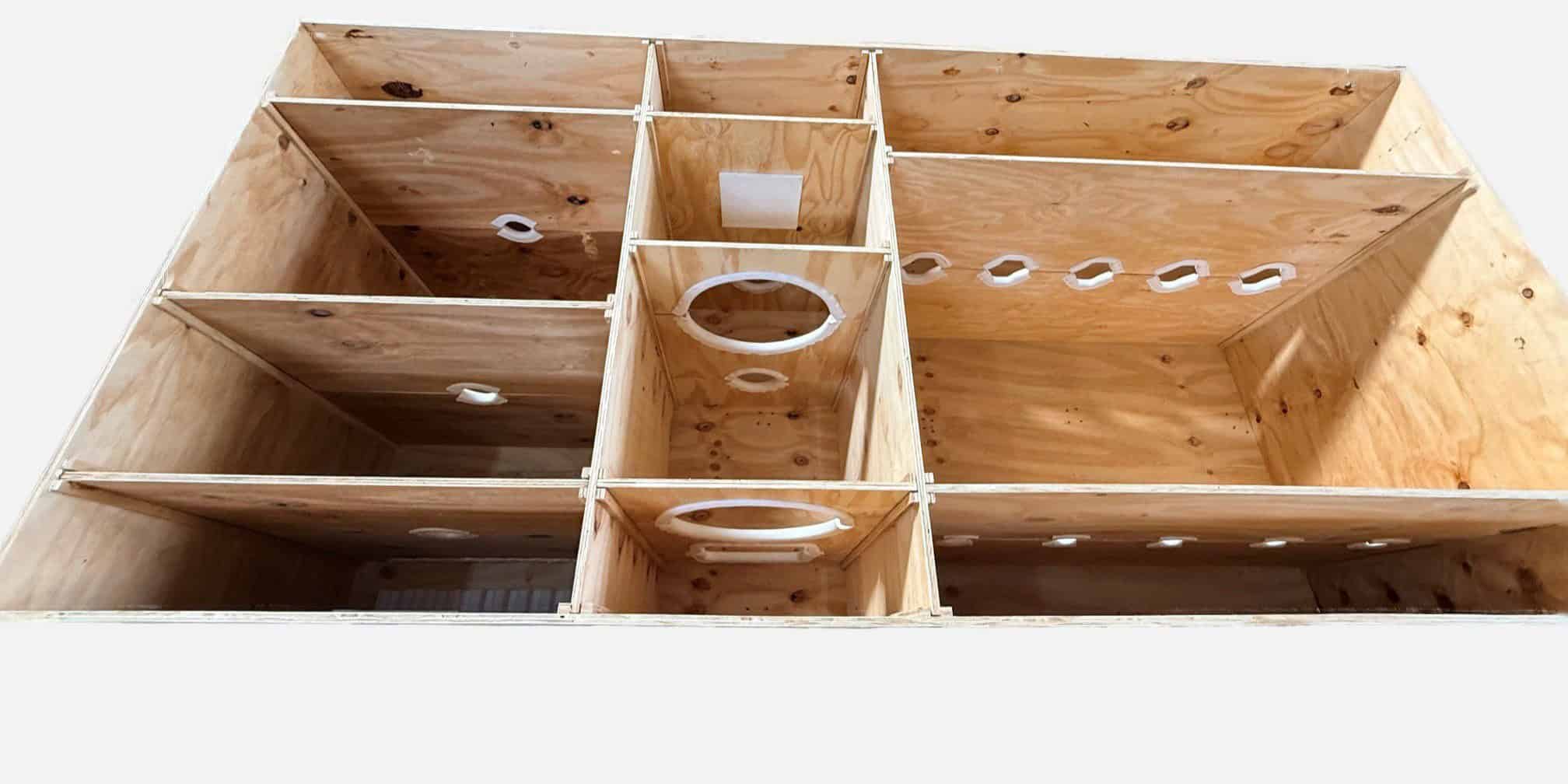
That typically means a crate sized precisely to your product, so nothing moves in transit. Custom foam inserts shaped to your components. A collapsible design that folds flat when empty. Takes up almost no space in the warehouse, whether you’re sending it back or storing it on site.
Branded panels in your company colours are available too, if that matters to you.
One client ships a complex antenna system that gets unpacked and repacked three times before final installation at the end-user site. The crate was designed to survive every one of those handling cycles without wear or damage to the unit inside. That spec came directly from the client telling us exactly how the product gets used in the field. That conversation is what made all the difference.
The maths is straightforward
A well-engineered crate costs a fraction of a single damaged shipment. That’s before you factor in replacement logistics, client relationship repair, and the time your team spends sorting it out.
If you’re not sure about your current packaging setup, give me a call to discuss a better option.
Call me on 072 733 0933 or email jcook@clip-lok.co.za.